Walk into any shop with a wall of little bottles and it is easy to feel lost. There are numbers on the labels, strange ratios, words like freebase and salt, and strengths that range from nothing at all to a lot. If you have ever stood there wondering what any of it means, this vape juice guide is for you. We break down exactly what vape juice and e-liquid are, what goes into the bottle, how nicotine strength works, the difference between freebase and nicotine salts, your zero-nicotine choices, how flavor families are organized, and how to match a juice to the device you already own. By the end you will be able to read a label with confidence and pick the right bottle the first time instead of guessing.
This is a buyer’s guide from Valley Moon Smoke Shop, a neighborhood vape and smoke shop on East Butler Avenue here in Fresno. We wrote it so you can shop smarter whether you are standing at our counter or searching for vape juice near me from your couch. One quick note before we start: everything here is for adults 21 and older, nicotine is an addictive chemical, and these are not stop-smoking devices. With that out of the way, let us get into it.
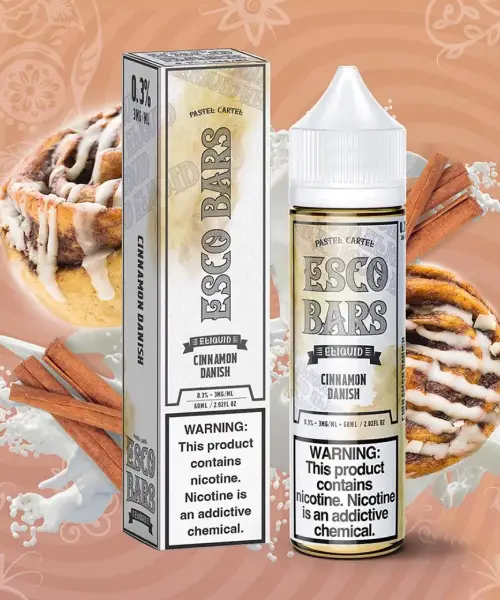
Vape juice and e-liquid are two names for the same thing. Some people say vaping juice, some say e-juice, and older shoppers who came from cigarette alternatives still call it ecig juice. They all mean the liquid that goes inside a vape, heats up on a coil, and turns into the vapor you inhale. There is no mystery product behind the different names. When you see an e-liquid shop sign or a bottle labeled vape and juice, it is the same category. We use vape juice and e-liquid interchangeably through this guide, so do not let the vocabulary throw you.
The reason the liquid matters so much is that it controls almost everything about your experience: how much vapor you get, how strong the throat hit feels, how long a bottle lasts, and of course the flavor. Two people can use the exact same device and have completely different sessions purely because of the juice inside. That is why learning to read a bottle is worth the few minutes it takes. Once you understand the four things on every label, the wall of options stops being intimidating and starts being a menu.
Most standard vape juice is built from the same short list of ingredients, and knowing them demystifies the whole thing. Propylene glycol and vegetable glycerin, usually shortened to PG and VG, make up the bulk of the bottle. Flavorings are food-grade additives that give the juice its taste. Nicotine is optional and comes in a range of strengths, right down to zero. That is it. There is no secret fifth ingredient in a reputable bottle, which is one reason buying from a legitimate retailer matters so much. You want a product that lists what is in it and comes from a known manufacturer, not a mystery liquid from an unknown source.
Because the recipe is simple, the balance between those ingredients is what creates all the variety on the shelf. Shift the PG and VG ratio and the vapor changes. Change the nicotine type and the throat feel changes. Swap the flavoring and you have a dessert instead of a fruit. Everything that follows in this guide is really just an explanation of how those few dials get turned.
Propylene glycol is a thin, nearly flavorless liquid that carries flavor well and delivers a sharper throat hit, the little catch at the back of the throat that many former smokers are chasing. Vegetable glycerin is thicker and slightly sweet, and it is responsible for big, soft clouds of vapor. Because they do different jobs, the ratio between them shapes the whole session. A blend with more PG tends to taste crisp and hit firmer with less visible vapor. A blend with more VG produces thick clouds and a smoother, gentler draw.
You will see ratios written on the label, often something like 50 PG and 50 VG, or 70 VG to 30 PG. Here is the practical takeaway. Small pod devices and starter vapes usually want a more balanced or PG-forward juice, because thin liquid wicks properly through their tiny coils. Bigger, high-power setups built for clouds want high-VG juice, because the thicker liquid suits their larger coils and airflow. Put a thick high-VG bottle into a small pod and it may struggle to wick, leaving you with a dry, burnt taste. Put thin high-PG juice into a cloud machine and it can flood or spit. Matching the ratio to the hardware is the single most useful thing in this guide, and if you are not sure what your device wants, our guide to using, charging, and refilling your vape walks through it, and so can the staff at the counter.
Nicotine strength is listed either as milligrams per milliliter, written as something like 3 mg or 12 mg, or as a percentage, such as a 2 nicotine vape meaning roughly 2 percent. Both describe how much nicotine is dissolved in the liquid. A higher number means a stronger hit and more nicotine delivered per puff. Picking the right strength is mostly about honesty with yourself regarding how much you currently use, because too strong feels harsh and can make you lightheaded, while too weak leaves you puffing constantly and never satisfied.
As a rough map, lower strengths like 3 mg and 6 mg suit light users and the bigger high-VG setups, where you take long, airy draws and a little nicotine goes a long way. Mid strengths around 12 mg sit in the middle. Higher strengths are typical in small pods and in a disposable nicotine vape, where short, tight puffs mean each one carries more. Many people also step their strength down over time as they settle into a routine. There is no prize for starting strong. The goal of any nic vape is to feel satisfied with the fewest puffs, not to chase the harshest throat hit. If you are completely new to all of this, start gentle, and read our vaping for beginners starter guide before you buy.
This is the part that confuses the most people, so let us keep it simple. There are two common forms of nicotine in e-liquid, and they feel different even at the same strength. Freebase nicotine is the traditional form. It gives a pronounced throat hit, which climbs quickly as the strength rises, so most freebase juice is sold at lower strengths and paired with bigger, airier devices. If you like long draws, large clouds, and a firm kick at the back of the throat, freebase is the classic choice, and it has been the backbone of the hobby for years.
Nicotine salt, often just called salt nic, is a form that has been treated so it goes down much more smoothly even at high strengths. That smoothness is why a nicotine salt juice can carry a lot of nicotine without feeling harsh, and it is why salts are the standard inside small pods and in most of today’s disposables. The trade-off is that salts are built for tight, mouth-to-lung puffs on low-power gear, not for cloud-chasing. A good rule of thumb: if you run a compact pod or a nicotine vape pen and want a satisfying hit from a small device, nicotine salts are usually the move. If you run a bigger setup and love vapor and throat hit, freebase is usually the move. Neither is better in the abstract. They simply suit different devices and different users, and plenty of people keep a bottle of each. For a deeper look at the hardware side, our breakdowns of vape pods and pod systems and box mods and advanced kits explain which form each device is designed around.
Not every bottle contains nicotine, and the zero-nicotine category has grown a lot. Plenty of people search for a non nicotine vape near me because they want the flavor and the ritual without the nicotine, whether they have stepped all the way down from higher strengths or never wanted nicotine in the first place. Most e-liquid lines offer a 0 mg version of their flavors, so you do not have to give up the taste you like to go nicotine-free. If you are specifically hunting zero nicotine vape near me or zero nic vapes near me, the good news is that nicotine-free bottles sit right alongside the regular ones on the shelf.
One honest point worth making. Zero nicotine removes the addictive ingredient, but it does not make vaping a health product, and no e-liquid of any strength should be treated as a wellness item or a quit-smoking tool. If your aim is to stop smoking, your doctor is the right person to talk to about approved methods. We mention it because we would rather you shop with clear expectations than be sold a story. Zero-nic juice is a flavor-and-ritual choice, full stop, and it is a perfectly good one for adults who want it.
Flavor is where most people actually make their decision, and the sheer number of vape flavors on a shelf can be dizzying. It helps to think in families rather than individual bottles. The big ones are fruit, which runs from single fruits to tropical and berry mixes and is the most popular group by far. Then there are dessert and sweet profiles like custard, cream, and bakery notes. Menthol and ice flavors add a cool finish and are often layered onto fruits. Candy and drink-inspired blends round things out. Beverage profiles, from lemonade to cola to coffee, have their own loyal following. Most flavored vapes you see belong to one of these camps, and once you know which family you lean toward, narrowing down gets a lot easier.
We are keeping the flavor talk short here on purpose, because the taste side deserves its own deep dive. If you want specific recommendations, tasting notes, and a tour of the standout profiles, head over to our full rundown of the best vape flavors, which is built entirely around helping you pick a taste you will love. That page is the place for the flavor deep-dive. This page stays focused on the mechanics of the juice itself: ingredients, strength, nicotine type, and matching juice to device. One practical California note on flavor, though. Flavored tobacco rules in this state are strict, and what is available can change, so the smartest move is to ask what is currently in stock and legal rather than assume. Our staff can tell you exactly where things stand on any given day.
Everything above comes together at this one question: what are you putting the juice in? The device decides the smart choices more than personal taste does, because the wrong juice in the wrong hardware simply does not work well no matter how much you like the flavor.
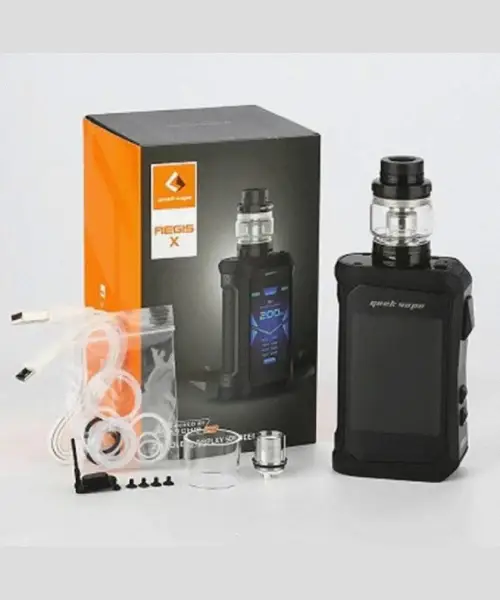
Refillable pods and small starter kits want nicotine salt juice at a higher strength, usually in a balanced or PG-forward ratio, so it wicks through the tight coils and gives a satisfying mouth-to-lung puff. These are the everyday workhorses, and if a pod is your setup, our pod systems explainer pairs well with this section. Box mods and sub-ohm tanks want high-VG freebase juice at a lower strength, because they are built for power, clouds, and long airy draws. Feeding them high-strength salt is a mistake that gets harsh fast. Vape pens sit in the middle and vary by model, so check what yours is rated for, and our guide to vape pen types and how to choose one sorts that out.
Disposables are a special case because there is no choosing juice at all. The liquid, the strength, and almost always nicotine salts are sealed inside from the factory, which is exactly why a disposable nicotine vape is the simplest grab-and-go option. If that is your lane, our complete guide to disposable vapes covers the whole category, including puff counts and longevity. Refillable gear, on the other hand, is where bottled vape juice really shines, because you control strength, flavor, and ratio yourself and it usually costs less per puff over time.
Bottled e-liquid comes in a range of sizes. Smaller bottles are common for nicotine salts, since you use them in low-power pods and go through them slowly. Larger bottles are common for the high-VG freebase juice that cloud machines drink quickly. The larger the bottle, the lower the price per milliliter tends to be, which is one reason refillable setups are easier on the wallet over time than a steady habit of disposables. If budgeting is on your mind, our breakdown of how much a vape costs and where the cheap options are runs the numbers.
Refilling itself is straightforward once you have done it once. You open the fill port, add juice without overfilling, let a new coil sit saturated for a few minutes before you power up, and keep the coil fresh so flavor stays clean. A tired coil is the usual culprit behind a burnt taste, not the juice. Coils, spare pods, and chargers are part of the ongoing kit, and you can see the range in our guide to coils, batteries, and vape accessories. Keeping the hardware healthy is half of making a good bottle taste its best.