
Frequently Asked Questions
Clear answers about website policies, privacy, age restrictions, CBD and cannabis terminology, vaping-related health concerns, product information, and consumer protections.
This page provides general educational and policy information. It does not confirm that any particular product or service is available from Valley Moon Smoke Shop. Tobacco and nicotine products are age-restricted, and cannabis-related laws differ by jurisdiction. No information here replaces medical or legal advice.
Store-specific return periods, delivery coverage, and other operational details should be confirmed by the business before publication.
Website policies and customer information
What is Valley Moon Smoke Shop?
Valley Moon Smoke Shop is the business identified by this website. For its own description and verified business details, consult the About Us page. This FAQ does not independently verify operating hours, licensing status, inventory, or service coverage.
Where can I contact the business?
The Contact Us page is the appropriate starting point for business-related inquiries. Avoid posting private transaction details in public comments. The business should keep the contact information shown on its website current and consistent.
What is the purpose of the Terms and Conditions?
The Terms & Conditions explain rules for using the website, intellectual property, acceptable conduct, and other legal matters. They should reflect actual business practices and must not be presented as eliminating mandatory consumer rights.
Does the website have an age verification policy?
Yes. The Age Verification Policy describes age-related legal requirements. Federal law prohibits tobacco product sales to people under 21, and qualifying photo identification checks are required for tobacco purchasers younger than 30.
Where are return and refund terms explained?
Read the Refund & Returns Policy. Specific eligibility conditions, time limits, fees, and methods of refund must be verified against the business’s approved procedures. Legal remedies for defective or misdescribed merchandise may be separate from voluntary returns.
Does the website guarantee a specific refund deadline?
A specific refund processing deadline should not be assumed unless the business has published and confirmed it. Certain laws impose mandatory refund deadlines in particular circumstances. A customer with a dispute should preserve records and review the relevant transaction terms.
Where can I read the shipping policy?
The Shipping Policy is the appropriate page for any verified delivery-related terms. Website accessibility does not establish that delivery is available in every location or for every type of merchandise.
What if a shipment is delayed?
For transactions covered by the FTC Mail, Internet, or Telephone Order Merchandise Rule, sellers must have a reasonable basis for their shipping promises and may have to provide delay notices, cancellation options, and refunds. The applicable remedy depends on the transaction and law.
What if an item is defective or not as described?
A customer should document the discrepancy and contact the business through its published support channel. Consumer protection laws may provide remedies independent of a store’s voluntary return conditions. Consult the Refund & Returns Policy for additional information.
Where can I find more website information?
The About Us page describes the business, while Blog Posts may contain general articles. Information on the website should be checked against reliable sources when it concerns health, safety, or changing laws.
CBD, cannabis oil, and delta-8 terminology
What is CBD?
CBD stands for cannabidiol, a compound found in cannabis plants. It is different from THC, the compound most commonly associated with intoxication. CBD products vary in formulation and purity. Their presence on the market does not automatically establish that they are safe, effective, or lawful in every jurisdiction.
Is CBD the same as marijuana?
No. CBD is a chemical compound; marijuana generally refers to cannabis material defined under applicable law. Products described as CBD may originate from different cannabis sources and may contain other cannabinoids. Legal classification depends on the product, its composition, and the jurisdiction.
Does CBD cause a high?
CBD is not generally considered intoxicating in the same way as delta-9 THC. However, a product labeled CBD may contain THC or other compounds, and labeling can be inaccurate. Individual reactions vary. Claims that a product cannot impair someone should not be assumed.
What is CBD oil?
CBD oil generally describes a formulation containing cannabidiol in a carrier oil. The label alone does not establish its concentration, purity, regulatory status, or medical effectiveness. Products may contain additional ingredients or cannabinoids. Health claims should be assessed using credible evidence.
What is cannabis oil?
Cannabis oil is a broad term for oil-based preparations derived from cannabis. The composition can vary substantially, including the relative amounts of CBD, THC, and other compounds. The term is not a reliable substitute for an ingredient list or independent testing information.
What is the difference between CBD oil and cannabis oil?
CBD oil emphasizes cannabidiol as an ingredient, whereas cannabis oil may refer to a wider range of cannabis-derived preparations. Neither name guarantees a particular cannabinoid profile. The actual composition matters more than marketing terminology.
What is THC?
THC is short for tetrahydrocannabinol. Delta-9 THC is a psychoactive cannabis compound associated with intoxication and impaired attention, memory, and coordination. Different THC-related compounds can have different effects and legal classifications.
What is delta-8 THC?
Delta-8 THC is a psychoactive cannabinoid that can produce intoxicating effects. The FDA has warned about adverse events, misleading marketing, and variability in delta-8 products. It should not be assumed safe simply because it may be described as hemp-derived.
What is the difference between delta-8 and delta-9 THC?
Delta-8 and delta-9 are related forms of THC with differences in chemical structure. Both can be psychoactive and impair judgment. Product strength, contamination, and labeling accuracy can vary, and legal treatment depends on jurisdiction.
Is delta-8 legal everywhere in the United States?
No. State laws and product restrictions differ, and federal rules may also apply. A product’s description as hemp-derived does not establish that it is lawful in every state. The current legal status requires jurisdiction-specific verification.
Are CBD products approved by the FDA?
The FDA has approved one prescription cannabidiol medicine for specific seizure disorders. That approval does not extend to all CBD oils, supplements, beverages, or other products marketed with CBD. The agency has raised concerns about unsupported health claims and product quality.
Can CBD treat anxiety or insomnia?
Evidence is still developing, and many marketed CBD products have not been proven safe and effective for treating anxiety or sleep conditions. CBD can have side effects and interact with medications. Medical concerns should be discussed with a qualified healthcare professional.
Can cannabis oil cure cancer?
There is no reliable clinical evidence that commercially marketed cannabis oils cure cancer. Claims of a cure can be dangerous if they delay evidence-based treatment. Anyone facing cancer-related decisions should consult their oncology team and reputable medical sources.
What does full-spectrum CBD mean?
Full-spectrum is a marketing term often used to describe a mixture of cannabinoids and other plant compounds. The precise composition varies by manufacturer. The phrase does not guarantee a specific THC level, safety profile, or medical benefit.
What does broad-spectrum CBD mean?
Broad-spectrum generally refers to products containing multiple cannabis-derived compounds while being marketed as having reduced or absent THC. Actual composition depends on manufacturing and testing. Label claims should not be taken as conclusive proof.
What does CBD isolate mean?
CBD isolate refers to cannabidiol separated from many other plant constituents. The degree of purity depends on the actual material and testing. The term does not imply that the product is medically approved or free of all potential risks.
What are CBD cartridges?
CBD cartridges are containers marketed as holding cannabidiol-containing liquid for an inhalation device. Their contents and quality can vary. Inhaled substances may carry respiratory risks, and the label does not guarantee that ingredients have been independently verified.
What are CBD pens?
CBD pens are devices marketed for inhaling cannabidiol-containing formulations. The name describes a product category rather than a proven safety standard. Inhalation risks, ingredient uncertainty, and device-related hazards are important considerations.
What is CBD vape oil?
CBD vape oil is a marketing term for a CBD-containing liquid intended for vaporization. The term can be misleading because not all oils or formulations are appropriate for inhalation. Inhaling certain additives can be harmful, and there is no general guarantee of safety.
Are CBD gummies different from CBD oils?
CBD gummies and oils differ in formulation and route of exposure. Both may contain additional ingredients and may be mislabeled. Neither format automatically establishes medical efficacy or safety, and accidental ingestion by children is a serious concern.
Vaping, disposable devices, and e-liquid
What is a vape?
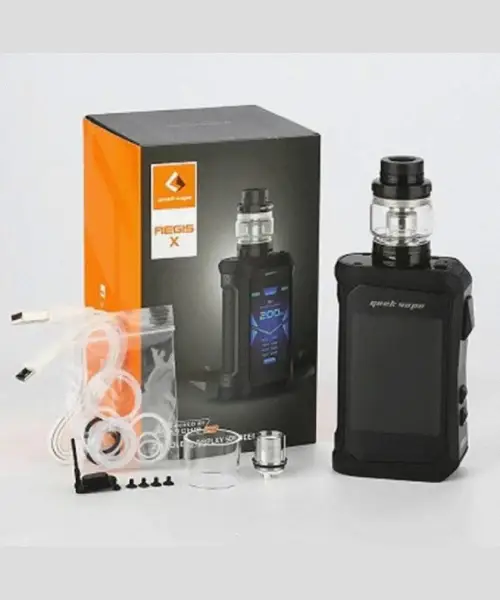
A vape, or electronic nicotine delivery system in many cases, is an electronic device that produces an aerosol for inhalation. Aerosol can contain nicotine, particles, flavoring-related chemicals, and other substances. It is not simply harmless water vapor.
What is a disposable vape?
A disposable vape is an electronic vaping device marketed as a self-contained product. Disposable devices create concerns involving nicotine exposure, batteries, waste, and youth appeal. A disposable format does not make inhalation harmless.
What is e-liquid?
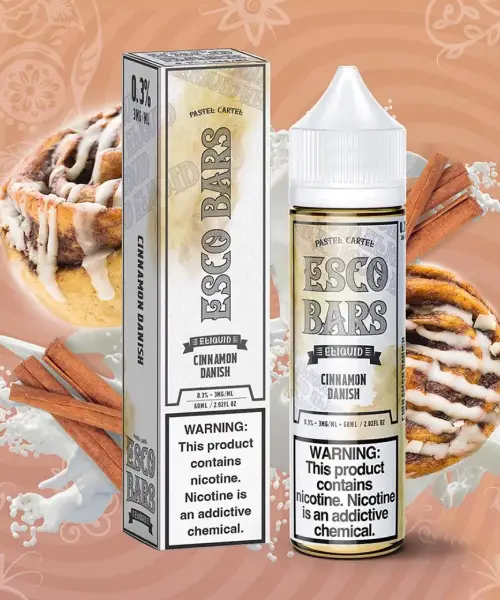
E-liquid is a fluid used in some electronic vaping devices. Formulations may contain nicotine, solvents such as propylene glycol or glycerin, flavorings, and other chemicals. Ingredient labels and product quality vary, and inhaling aerosols is not risk-free.
What is the difference between e-liquid and e-cig liquid?
These terms are commonly used interchangeably for liquids associated with electronic cigarettes. The wording alone does not establish whether nicotine is present, how much is present, or whether the product meets applicable regulatory requirements.
Does vape aerosol contain only water?
No. Vaping aerosol can contain nicotine, ultrafine particles, volatile organic compounds, metals, and other potentially harmful substances. Its composition depends on the device and formulation. Calling it water vapor understates potential exposure.
Are nicotine-free vapes harmless?
No. The absence of nicotine does not eliminate potential risks from inhaled aerosols, additives, device malfunction, or inaccurate labeling. Some products marketed as nicotine-free have been found to contain nicotine.
Why is nicotine addictive?
Nicotine affects brain reward pathways and can produce dependence. Adolescents are especially vulnerable because the brain continues developing. Nicotine exposure can affect attention, learning, and mood, and withdrawal can be uncomfortable.
Can vaping affect lung health?
Yes. Vaping can expose the respiratory system to substances that irritate or harm lung tissue. The precise risks depend on the formulation, frequency of exposure, and other factors. Anyone with breathing problems should seek medical guidance.
What are the concerns with flavored e-liquids?
Flavoring substances may be safe to consume as food yet not necessarily safe to inhale. Flavors can also increase the appeal of nicotine products to young people. Regulatory requirements and permitted products differ by jurisdiction.
What are dab rigs?
Dab rigs are devices associated with inhaling concentrated cannabis preparations. Concentrates may contain high levels of THC and can produce significant impairment. This FAQ does not provide instructions for using these devices or obtaining concentrates.
Are vaping products regulated by the FDA?
Many electronic nicotine delivery systems fall under FDA tobacco-product authority. Marketing authorization is product-specific, and a product’s presence in a store or online does not establish that the FDA has authorized it.
Does FDA authorization mean a vape is safe?
No. FDA tobacco marketing authorization does not mean a product is safe or FDA-approved as a smoking-cessation medicine. Tobacco products carry health risks, and people who do not use them should not start.
Can vaping products be recycled with household trash?
Devices with lithium batteries can present fire hazards in ordinary trash and recycling streams. Local household hazardous waste or electronics recycling programs may provide safer disposal options. Follow local waste authority guidance; do not dismantle damaged batteries.
What should I do if a device battery is swollen or damaged?
Stop handling or using a damaged battery-powered device and keep it away from combustible materials if it is safe to do so. Do not puncture, charge, or attempt to repair a swollen battery. Seek guidance from local fire or waste safety authorities.
What is secondhand vape aerosol?
Secondhand aerosol refers to particles and chemicals that may be present in surrounding air when someone vapes. Exposure can affect bystanders, including children. Avoiding indoor exposure is a prudent protective measure.
Health, labeling, and safety questions
Are all products described as natural safe?
No. Natural origin does not establish safety. Plant-derived compounds can cause side effects, interact with medications, or be contaminated. Risk depends on the substance, dose, exposure route, and individual circumstances.
What is a certificate of analysis?
A certificate of analysis, often abbreviated COA, is a laboratory report describing tests performed on a sample. It may include measured compounds or contaminants. Its usefulness depends on whether the report is authentic, current, relevant to the specific batch, and issued by a qualified laboratory.
Can a laboratory report guarantee a product is safe?
No. Testing can provide useful information about specified measurements, but no single report guarantees that a product is safe for every person or every use. Testing scope, sampling, and laboratory quality all matter.
Why does product labeling matter?
Labels may disclose ingredients, warnings, quantities, and responsible business information. Inaccurate labels can lead to unexpected exposure and complicate medical care. Consumers should not assume a label has been independently verified.
What does third-party tested mean?
The phrase suggests testing by an organization separate from the seller or manufacturer, but it does not by itself prove independence, accreditation, or quality. Reports should be evaluated for authenticity, scope, and batch relevance.
Can CBD interact with medications?
Yes. CBD may affect the metabolism of some medications and may have other side effects, including liver-related concerns. A healthcare professional or pharmacist can help assess potential interactions for a specific individual.
What if someone feels unwell after exposure to a product?
Seek medical advice promptly. For severe symptoms such as difficulty breathing, seizures, or loss of consciousness, contact emergency services. In the United States, Poison Control is available at 1-800-222-1222 for poisoning-related guidance.
Why should cannabis products be kept away from children?
Children can be seriously harmed by accidental exposure, especially when products resemble food or candy. Adults responsible for these products should follow lawful storage requirements and keep them securely inaccessible to children.
Is driving after using THC safe?
No. THC can impair attention, coordination, judgment, and reaction time. Driving while impaired endangers the driver and others and may violate the law. Do not drive after using an impairing substance.
Can CBD affect drug tests?
Some CBD-labeled products contain THC, including amounts not obvious from marketing claims. That creates a possibility of a positive drug test. Product labeling is not a guarantee of zero THC exposure.
What is the difference between a health claim and a product description?
A product description identifies characteristics such as ingredients or format. A health claim states or implies an effect on a disease or bodily function. Disease-treatment claims may require regulatory authorization and reliable scientific support.
Where can I find reliable health information?
The FDA, CDC, NIH, and qualified healthcare professionals provide evidence-based information about nicotine, vaping, CBD, and cannabis-related risks. For website policy information, use the relevant FAQ and Contact Us pages.
Privacy, security, and consumer rights
Where can I read the website Privacy Policy?
The Privacy Policy explains the site’s published information-handling disclosures. Actual collection practices, service providers, retention periods, and request mechanisms should be checked against the website’s configuration.
What personal information might a contact form collect?
A contact form may collect the information entered by the visitor, such as a name, email address, and message. The business should request only information needed for a legitimate purpose and explain how it is handled.
What are website cookies?
Cookies are small data items stored in a browser. They may support website functionality, preferences, analytics, or other purposes. The categories actually used should be disclosed in the Privacy Policy.
Can I request deletion of personal information?
Some privacy laws provide eligible individuals with deletion rights, subject to exceptions. The scope depends on the applicable law and the business’s activities. Use the Contact Us page to identify a published privacy contact method.
Can I request correction of inaccurate information?
Applicable privacy laws may provide a right to request correction. A business may need to verify identity before making changes. A request should describe the inaccuracy without unnecessarily exposing sensitive information.
Does the business sell personal information?
This cannot be determined from the keyword files or the FAQ request. The business must review its actual advertising, analytics, and third-party data practices before publishing a definitive statement about sale or sharing under applicable privacy laws.
Are payment details safe to send in a general contact form?
No. Avoid submitting complete card numbers, passwords, or other sensitive credentials in an ordinary website message. Use only official, appropriately secured communication channels for legitimate account or payment concerns.
What if I receive a suspicious message claiming to be from the business?
Do not disclose passwords or sensitive details in response to an unexpected message. Verify the sender through independently located official contact information, and report suspected impersonation through the Contact Us page.
What should a customer do about an unresolved transaction dispute?
Keep receipts and relevant correspondence, review the Refund & Returns Policy, and contact the business. Depending on the facts, payment-provider dispute procedures or consumer protection agencies may offer additional avenues.
Can a store policy remove legal consumer rights?
No. Contractual terms and voluntary policies cannot automatically eliminate mandatory legal protections. The applicable remedy depends on jurisdiction and the circumstances. The Terms & Conditions should be interpreted consistently with applicable law.
How should website errors be reported?
Use the Contact Us page and describe the error clearly. Avoid including passwords or unnecessary personal information. If the error concerns a privacy issue, consult the Privacy Policy.
How often should the FAQ be updated?
The business should review answers when laws, product classifications, website functionality, or store policies change. Answers should not present draft terms as confirmed commitments, and health claims should be checked against credible current evidence.